

RESPIRATORY UPDATE
Respiratory Update on Asthma
The 2014 to 2017 updates of the Global Initiative for Asthma (GINA) introduced major revisions regarding heterogeneous airway disease, targeted treatment, and effective implementation (1, 2). Two reviews of the 2015 literature on asthma were also recently published (3, 4).
We are witnessing a revolutionary approach to asthma, lung diseases, and medicine in general. Systems biology approaches have begun to show how to address the complexity of diseases in diagnosis, differential diagnosis, assessment of severity, monitoring, and treatment (5). Several papers have been published since 2015, particularly in the field of severe asthma. They are mostly observational and cross-sectional studies, particularly in type 2 (T2)-high inflammation in patients with mild to severe asthma (6, 7).
Asthma Genotyping
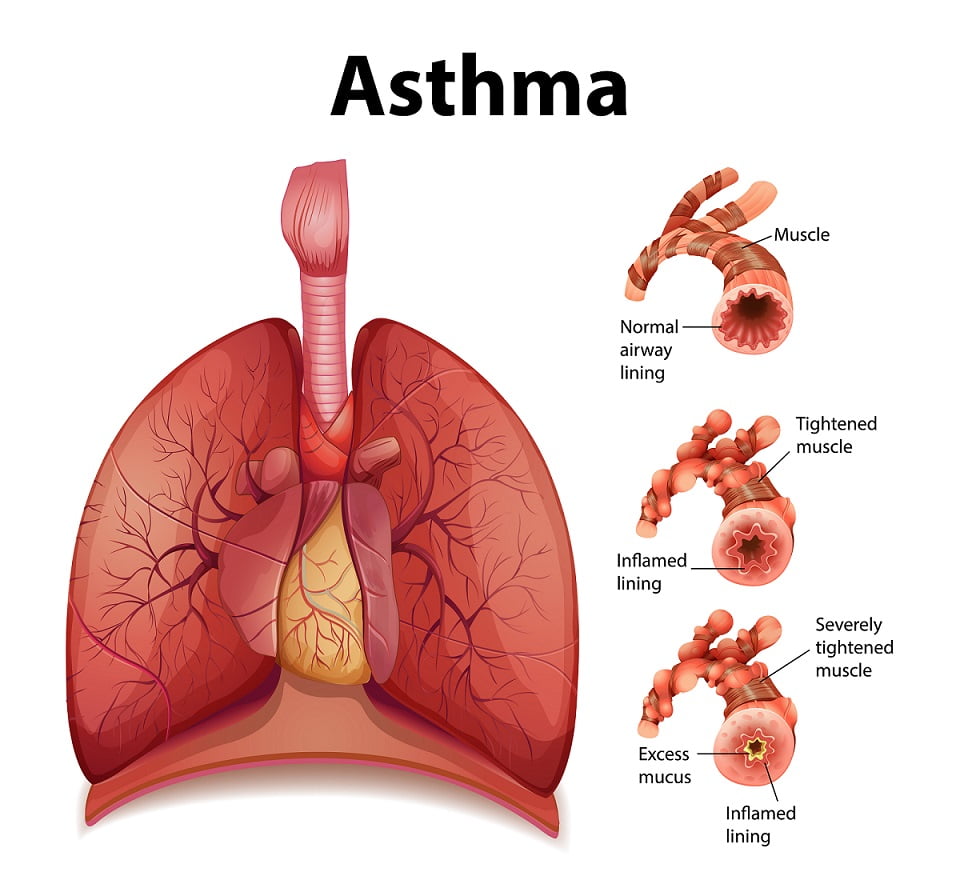
The gene expression and genetic variation studies of asthmatic populations with diverse ethnicity have provided insight into the complexity and heterogeneity of the genetic architecture of asthma (8). African ancestry is a significant predictor of reduced lung function in American children with early-life exposure to particulates, suggesting a genetically determined susceptibility in these children (8, 9).
Gene–environment interactions are important for asthma development, as confirmed by interactions between specific genomic polymorphisms and pollution exposure at birth in large cohorts of children with asthma and healthy children (10). A new genetic association has also been documented between shortened telomere lengths and asthma, possibly due to accelerated aging in the setting of increased oxidative stress resulting from the chronic inflammation in asthma (11).

Respiratory Update on COPD
Chronic obstructive pulmonary disease (COPD) is an airways disorder, characterised by airflow obstruction (forced expiratory volume in 1 second [FEV1] / forced vital capacity [FVC] <0.7) on spirometry, which lacks significant reversibility on appropriate testing. It affects an estimated 3 million people in the UK, with approximately 900,000 having received a formal diagnosis.1 Symptoms typically consist of cough, dyspnoea and wheeze, which do not vary significantly over time, in contrast to asthma, where symptoms may differ over hours to days. The predominant aetiological agent is cigarette smoking, with increasing recognition of alternative exposures, for example biomass fuel, as causative, even in never smokers.
Diagnosis requires a combination of suggestive history, examination, imaging and spirometry, where findings of FEV1/FVC <0.7, FEV1 <80% predicted, are supportive. Therapy is multifaceted including inhaled pharmacotherapy which is discussed below. Particular importance is also placed on smoking cessation and pulmonary rehabilitation programmes to halt further damage to lung tissue and maintain exercise performance. Flu vaccination is recommended to reduce infection risk. The principle agents of inhaled therapy include short-acting beta-agonists (SABA, eg salbutamol), long-acting beta-agonists (LABA, eg formoterol), long-acting muscarinic antagonist (LAMA eg tiotropium) and inhaled corticosteroids (ICSs, eg fluticasone). Numerous combination devices containing two or three agents exist.
Respiratory Update on Lung Cancer
Despite recent advances and declining its incidence in males in Western countries, lung cancer remains the main cause of cancer deaths worldwide, mainly because of tobacco smoking epidemics in developing countries and the still moderate efficacy of therapeutic strategies [1–3]. More than 80% of lung cancers are nonsmall cell lung cancer (NSCLC), which can be further sub-divided into squamous cell carcinoma (SCC), adenocarcinoma and large cell carcinoma (LCC). Metastatic stage IV NSCLC remains an incurable disease with a median survival that reached a plateau of 8–10 months at the beginning of the century with available cisplatinum-based regimens [4].
Respiratory Update on pneumonia
Pneumonia in the elderly results in the highest mortality among cases of community-acquired pneumonia (CAP). The pathophysiology of pneumonia in the elderly is primarily due to aspiration pneumonia (ASP). ASP comprises two pathological conditions: airspace infiltration with bacterial pathogens and dysphagia-associated miss-swallowing. The first-line therapy for the treatment of bacterial pneumonia in the elderly is a narrow spectrum of antibiotics, including sulbactam/ampicillin, which are effective against major lower respiratory infection pathogens and anaerobes. The bacterial pathogens of ASP cases of pneumonia in the elderly are similar to those associated with adult CAP. In addition to an appropriate course of antibiotics, pharmacologic and non-pharmacologic approaches for dysphagia and upper airway management are necessary for the treatment and prevention of pneumonia. Swallowing rehabilitation, oral health care, pneumococcal vaccination, gastroesophageal reflux management, and a head-up position during the night are necessary for the treatment and prevention of repeated episodes of pneumonia in elderly patients. In addition, tuberculosis should always be considered for the differential diagnosis of pneumonia in this patient population.
Respiratory Update on Tuberculosis
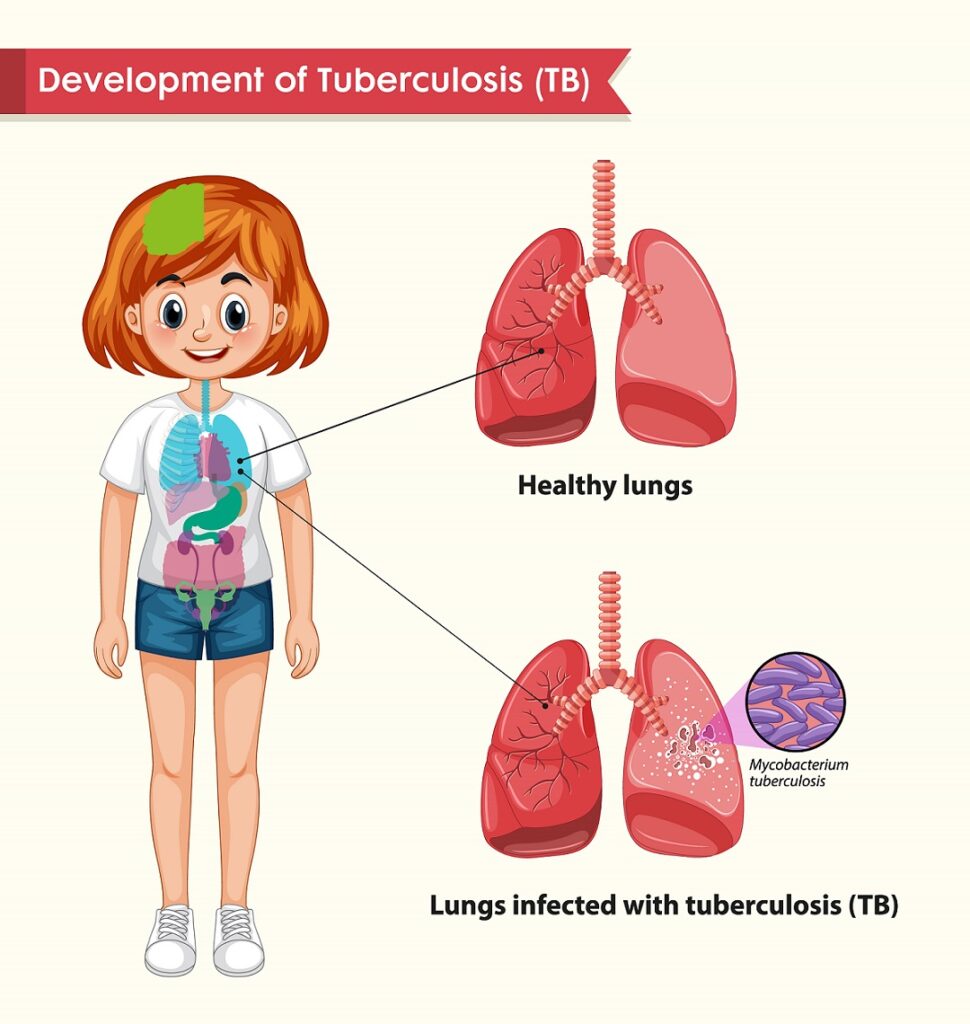
Mycobacterium tuberculosis infection remains a major cause of global mortality and morbidity and the resulting disease, tuberculosis (TB), caused an estimated 1.7 million deaths in 2009 [1].
However, the majority of the 2 billion people estimated to be infected with M. tuberculosis have asymptomatic infection, termed latent TB infection (LTBI) [2, 3]. Traditionally, LTBI has been defined by evidence of a cellular immune response to M. tuberculosis-derived antigens, for example by the tuberculin skin test (TST) in asymptomatic individuals who have been potentially exposed to M. tuberculosis.
For these individuals, the life time risk of progression from LTBI to active, symptomatic disease is only 10%; however, defects in cellular immunity can increase this risk significantly [4, 5]. Of these, the most important is HIV infection, and the ongoing HIV epidemic has helped to fuel the spread of TB globally over the past 40 yrs with 0.38 million deaths in HIV co-infected individuals in 2009 [1].
Respiratory Update on Bronchiectasis
Bronchiectasis, the permanent dilation of one or more bronchi, is not uncommon, despite being previously considered an “orphan” disease. With the widespread use of computed tomography (CT) of the chest, the detection of bronchiectasis has become more frequent and better characterized. Patients with this disease often have poor quality of life (QOL), increased health care use, and poor outcomes. For these reasons there has been renewed interest in this disease, and in particular non–cystic fibrosis bronchiectasis (NCFB).
The year 2014 was of particular importance regarding developments in the field of NCFB. Significant advances in 2014 included new details on its epidemiology and pathophysiology, and new insights into the role of coexisting conditions in these patients. Furthermore, a better understanding of exacerbation triggers and their impact was gained. Newer tools evaluating severity and QOL have also been studied. Several studies examining the benefits of chronic oral macrolide therapy and inhaled antibiotics were also performed with promising results. This review examines articles published in AJRCCM and other major journals that have made significant advances in the field of NCFB in 2014.
Respiratory Update on Cystic Fibrosis
Cystic fibrosis (CF) is an autosomal recessive genetic disease that occurs in approximately 1 in 2,500 white live births. It is less common in nonwhite individuals. A dysfunctional epithelial chloride channel leads to excessively thick mucus affecting multiple organ systems. Common issues include mucous plugging of the airway, lung inflammation, chronic pulmonary infections, intestinal malabsorption, and malnutrition. Universal screening of newborns for CF is recommended in many countries. CF can be diagnosed based on clinical evidence of disease along with genetic testing or other laboratory evidence of chloride channel dysfunction.
Pulmonary system dysfunction causes the most morbidity and mortality. Pulmonary function testing is the primary modality used to monitor CF progression. Therapies include chest physiotherapy, mucolytics, antibiotics, anti-inflammatory drugs, targeted therapies, and vaccines. Dysfunction of the exocrine pancreas and gastrointestinal tract leads to malabsorption, malnutrition, and intestinal obstruction. Nutrition should be optimized with adequate calories, pancreatic enzymes, and appropriate dietary supplements. Complications, including acute pulmonary exacerbations, gastrointestinal conditions, chronic rhinosinusitis, CF-related diabetes, osteoporosis, infertility, and psychosocial issues, must be managed. At the appropriate time, lung transplantation and end-of-life issues must be addressed.